Why De-Influencing Is Gaining Momentum in Fashion Culture
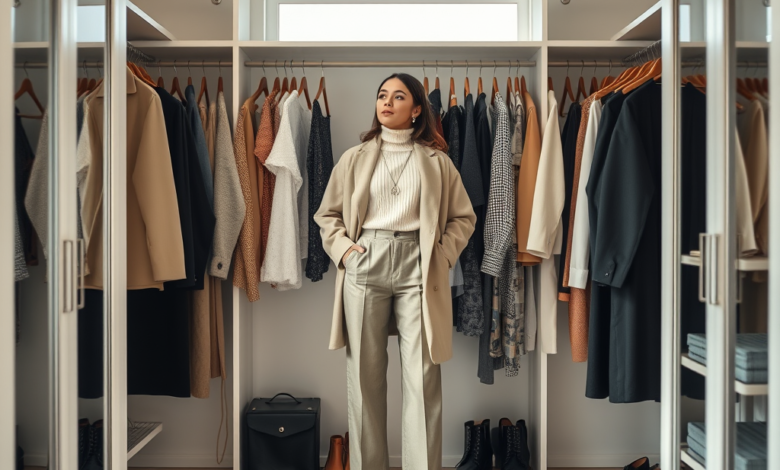
For years, fashion culture on social media was driven by constant promotion. Influencers showcased endless hauls, discount codes, and “must-have” items, encouraging followers to buy more and buy often. But recently, a noticeable shift has emerged. De-influencing is gaining momentum in fashion culture, and it is reshaping how people engage with style online.
This movement is not about rejecting fashion itself. Instead, it reflects growing awareness, audience fatigue, and a desire for more honest conversations around consumption, identity, and personal style.
What De-Influencing Really Means
De-influencing is often misunderstood as anti-fashion or anti-influencer. In reality, it represents a move away from aggressive promotion toward transparency and restraint. Creators who adopt de-influencing focus on explaining what not to buy, why certain trends may be overrated, and how marketing pressures affect consumer behavior.


Rather than telling followers what is trending, these creators encourage critical thinking. They talk openly about quality, longevity, and whether a product genuinely adds value to everyday life.
Read Also : Fashion Influencers No Longer Promote These Trends — And Here’s Why
Why Audiences Are Embracing De-Influencing
One major reason de-influencing is gaining traction is trust fatigue. Many audiences feel overwhelmed by constant promotional content. When every post is sponsored, authenticity becomes questionable.
Followers are no longer passive consumers. They compare information, read reviews, and question motives. De-influencing resonates because it aligns with this mindset. It feels less like advertising and more like a conversation.
This shift has created space for creators who prioritize honesty over sales performance.
Fast Fashion and the Rise of Conscious Consumption
Fast fashion plays a central role in the rise of de-influencing. Years of overproduction, rapid trend cycles, and environmental concerns have led consumers to rethink their shopping habits.
De-influencers often challenge haul culture by discussing the hidden costs of cheap fashion. They highlight how frequent purchases can lead to waste, financial stress, and dissatisfaction. As a result, many followers are choosing fewer items with more intention.
This change reflects a broader cultural movement toward conscious consumption.
How Fashion Influencers Are Adapting
Not all influencers are resisting this shift. Many are adapting their content to reflect changing values. Instead of promoting new outfits daily, they focus on repeat styling, wardrobe essentials, and personal expression.
Some influencers openly discuss why they turned down brand deals or stopped promoting certain products. This transparency strengthens trust and builds deeper connections with their audiences.
De-influencing does not eliminate influence—it transforms it.
The Impact on Brands and Marketing Strategies
As de-influencing grows, brands are being forced to rethink their marketing approaches. Traditional influencer campaigns that rely on volume and visibility are becoming less effective.
Brands that succeed in this new environment tend to emphasize storytelling, ethical practices, and long-term relationships rather than quick conversions. Audiences respond better to brands that align with their values rather than those that push constant sales.
What This Shift Means for Fashion Culture
De-influencing is changing the tone of fashion culture online. It encourages reflection rather than impulse, individuality rather than uniform trends, and meaning over excess.
This shift does not signal the end of fashion trends. Instead, it marks a transition toward slower, more thoughtful engagement with style. Fashion becomes a form of expression again, not just a cycle of consumption.
Is De-Influencing Here to Stay?
While trends come and go, the principles behind de-influencing suggest it may have lasting influence. As long as audiences value honesty, transparency, and balance, this movement will continue to shape fashion conversations.
De-influencing reflects a growing desire for authenticity in digital spaces. In a culture saturated with promotion, choosing not to promote can be the most powerful statement of all.
Discover more from feenanoor trend
Subscribe to get the latest posts sent to your email.