The Culture of Female Friendships in the United States
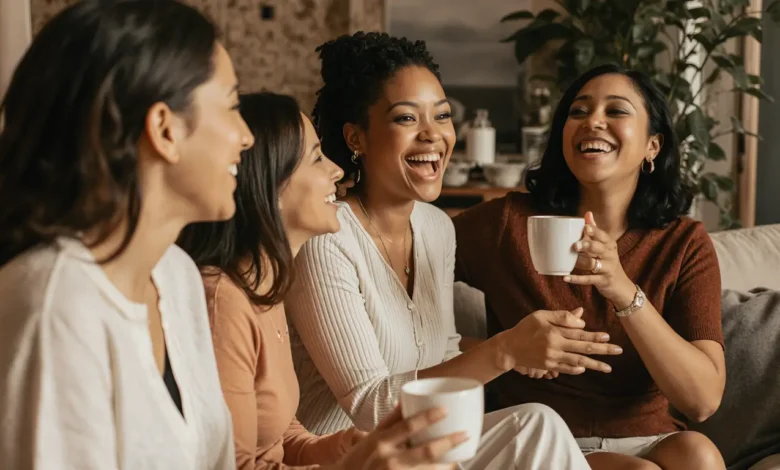
Female friendships in the United States often begin as small, ordinary interactions, but they carry a deep emotional weight that shapes identity, confidence, and belonging. For many US girls, friends are not just people to hang out with — they are a chosen family, a support system that understands the emotional language beneath everyday routines. Female friendships are built on shared experiences, mutual vulnerability, and a collective sense of growth, where laughter, secrets, and dreams blend into a safe space that feels uniquely intimate.
Friendship in American culture is often celebrated openly. Girls express affection through hugs, enthusiastic compliments, and long conversations over iced coffee, where simple phrases like “I’m proud of you” or “I’m here for you” carry real emotional warmth. This openness comes from a cultural expectation that friendships should be emotionally supportive, not just socially convenient. American girls often validate each other’s feelings, celebrate small victories, and talk openly about fears, insecurities, and relationships, turning ordinary moments into emotional checkpoints that strengthen connection.
There is also a strong culture of independence that shapes the way US girls build friendships. Many young women move away from home early for college, work, or personal growth, and this physical separation from family forces them to build communities from scratch. Friends become emotional anchors, not because of shared history, but because of shared vulnerability during transitional periods. Roommates, classmates, coworkers, or even strangers met at a party can grow into lifelong friends simply because they entered someone’s life during a moment of uncertainty or change. The idea of “found family” carries both emotional depth and cultural significance.
The modern, digital nature of American life has changed the rhythm of friendship but not its emotional foundation. Girls maintain connections through constant messaging, selfies, and shared playlists, where communication is quick, casual, and constant. Long paragraphs of heartfelt texts are balanced with chaotic voice notes, memes, and TikTok videos sent at 2 AM. The frequency of connection becomes a form of affection — a reminder that someone is thinking of you, even if life is a busy blur of classes, jobs, and responsibilities. Technology has not killed friendship; it has made emotional presence possible without physical presence.
There is also a unique culture of girlhood celebration in the United States. Birthdays, promotions, heartbreaks, or even “surviving a terrible week” can become reasons to gather, dress up, and feel beautiful together. Outfits become part of the emotional ritual — coordinated colors, shared lip gloss, borrowed jackets, and spontaneous photoshoots that freeze a moment of youthful confidence. These shared aesthetics are not shallow; they are symbolic acts of unity, self-expression, and mutual admiration. Friendship is a space where identity is affirmed, beauty is celebrated, and insecurity is softened.
Conflict in female friendships exists but is approached with emotional honesty. Instead of silence or avoidance, arguments often turn into conversations about boundaries, feelings, and growth. Apologies are sincere, sometimes long and messy, but they reflect a cultural expectation that relationships must be repaired, not abandoned. There is an emphasis on emotional labor — listening deeply, validating feelings, and acknowledging mistakes — because friendships are seen as investments, not temporary conveniences. This approach may seem intense to outsiders, but for many US girls, it is a sign of loyalty and maturity.
The emotional closeness of female friendships in the United States can feel romantic in its tender expressions. Girls hold hands while walking, cuddle during movie nights, share beds during sleepovers, and whisper secrets like confessions. There is no shame in physical affection or emotional dependency. This tenderness challenges the stereotypical idea that girls are always competitive; in reality, many friendships are grounded in admiration, encouragement, and unconditional support. Jealousy exists, but so does the culture of empowerment — the belief that seeing a friend succeed is a personal victory.
As girls grow into women, friendships remain powerful but evolve. Real life becomes heavier — careers, relationships, finances, and mental health change the shape of daily life — but the emotional bond tends to deepen rather than disappear. Adult friendships revolve around quality time rather than constant time. A coffee date on a Sunday morning, a voice note during lunch break, or a heartfelt message after a long silence holds more emotional value than daily conversations did in adolescence. Time becomes precious, and friendships become sacred.
What makes female friendships in the United States distinct is not perfection, but sincerity. They are imperfect, emotional, sometimes overwhelming, and always deeply human. They thrive on shared storytelling, emotional honesty, and a collective desire to make life a little softer, a little funnier, and a little less lonely. Friendships are not just part of identity — they are part of survival. The world feels intense, expectations feel heavy, and the future feels uncertain, but friendship becomes a reminder that life is lived together, not alone.
In the culture of American girlhood, friendship is more than companionship — it is a story written in fragments of laughter, heartbreak, late-night conversations, impulsive adventures, and quiet moments of understanding. It reflects a truth many young women hold close: to love your friends is to love yourself, because friendships shape the emotional landscape where self-worth, resilience, and joy are learned.
Discover more from feenanoor trend
Subscribe to get the latest posts sent to your email.